GPU shopping in late 2026 starts with a warning: the sticker prices aren't real. Nvidia's RTX 5090 carries a $1,999 MSRP and sells for around $4,300. The RTX 5070 Ti is a $749 card on paper that costs $1,088 on the shelf. A memory shortage that's been dubbed the RAMpocalypse has pushed prices up all year, Nvidia cut consumer GPU shipments another 15 to 20 percent this quarter, and TSMC's foundry price hike is now feeding through to every brand.
So the useful question isn't "what's the best graphics card." It's three shorter questions: what do you play, what does your monitor run, and what do you have to spend. Answer those in order and the current market has one or two defensible picks per tier. Buy off an overall ranking instead, and you'll either overpay for frames your display can't show or land on a card whose price inflated past the class above it.
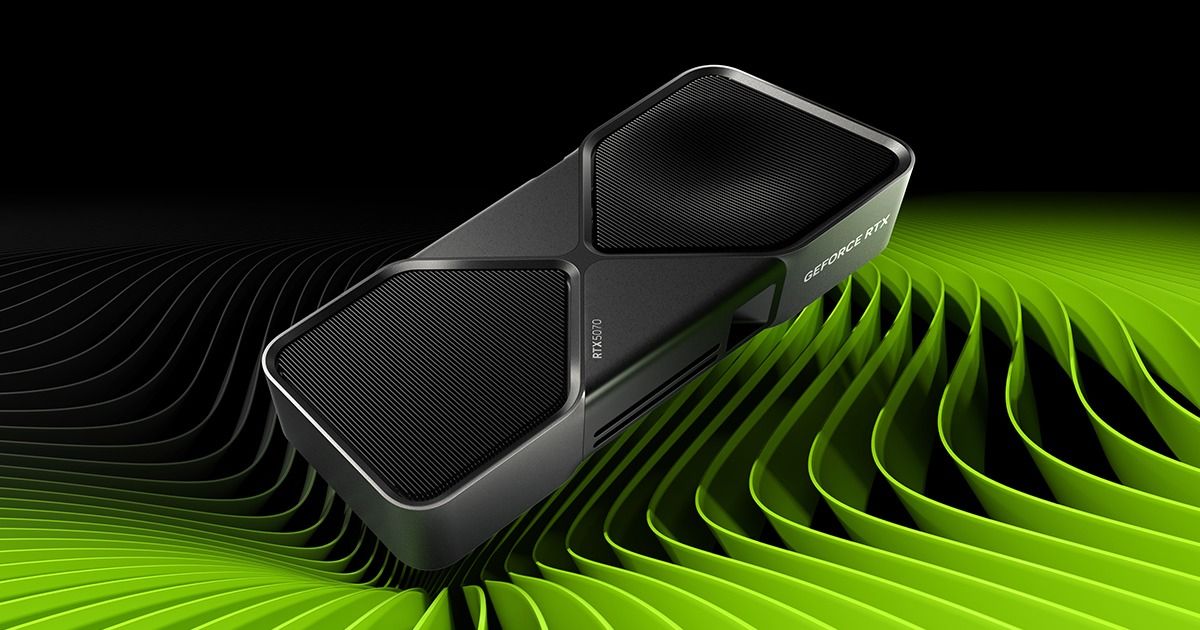
Start with games, monitor, and money
What you play sets the floor. Esports titles (Counter-Strike 2, Valorant, League of Legends) want frame rate, and a 1080p high-refresh setup is cheap to feed. AAA games like Black Myth: Wukong or Cyberpunk 2077 are what demand resolution and settings headroom. Casual and indie games barely need a discrete card at all.
Your monitor sets the ceiling. A GPU faster than your display can show is money idling. 1080p is served by sub-$400 cards, 1440p is the mainstream sweet spot and needs $450 to $800, and 4K with high settings is where the $1,000-plus cards live.
Budget sets the answer within the tier. This year that means checking street prices, not MSRPs: the two have decoupled, and a card's real price decides which tier it belongs to more than its name does.
1080p: $250 to $400, the least inflated bracket
Nvidia's RTX 5050 sits around $299 and does the job for esports and lighter AAA. The RTX 5060 at roughly $359 adds headroom and DLSS 4 multi-frame generation. The interesting pick is Intel's Arc B580: $249 at launch, around $310 now, with 12GB of VRAM that embarrasses the 8GB Nvidia cards in this bracket. Tom's Guide named it the card for most people; the catch is weak ray tracing and poor showing in AI and creator workloads. If you only game, it's the one to beat under $350.
This is also the tier where waiting could pay. Intel is reportedly lining up a push around the holiday sales, and Arc cards have already been discounting.
1440p: $450 to $800, the sweet spot with one trap
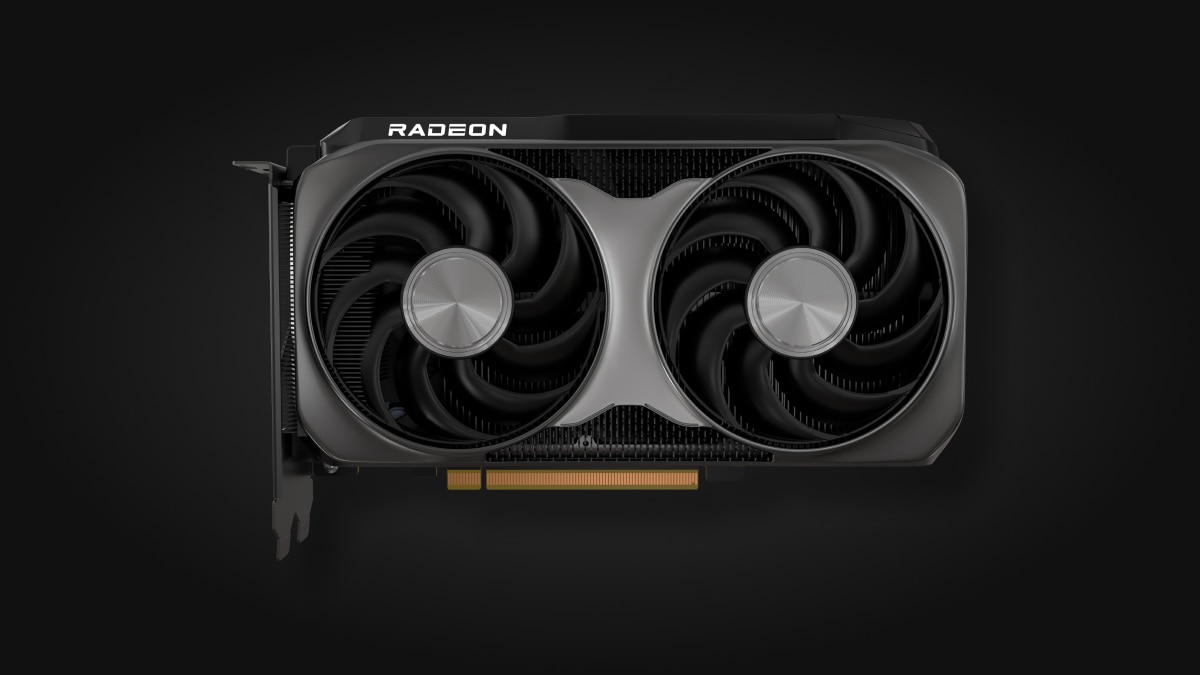
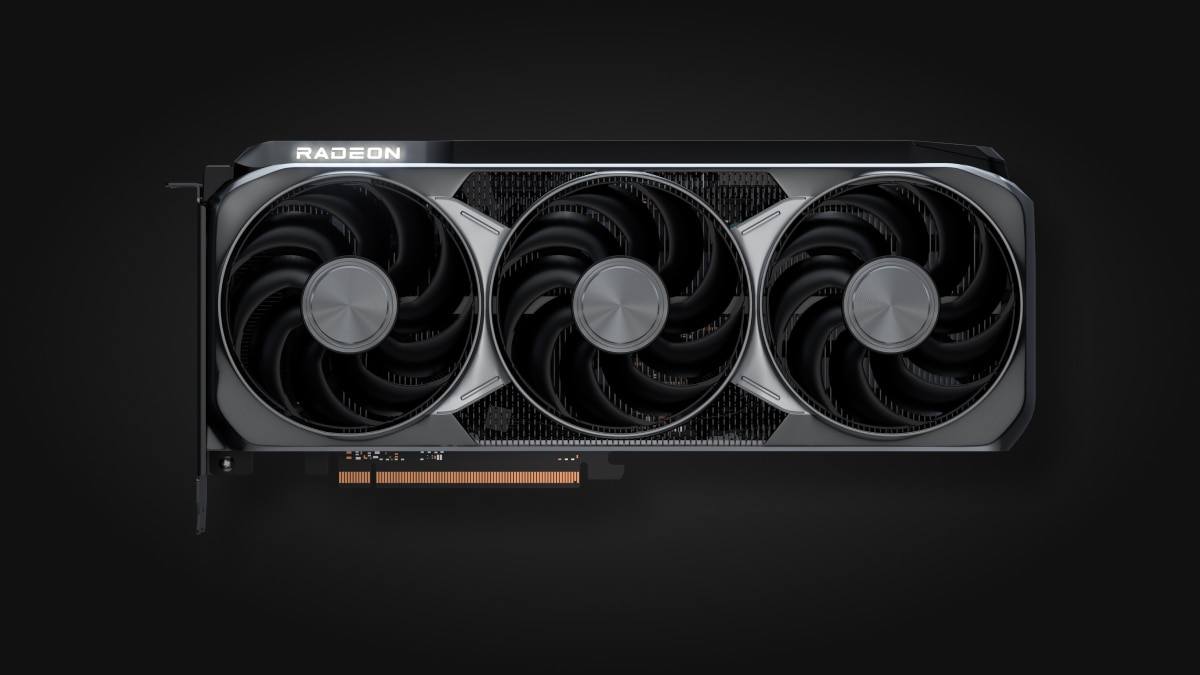
AMD owns this bracket on street prices. The RX 9060 XT 16GB runs about $470 and comfortably handles 1440p high settings. The RX 9070 GRE is the rare card selling below its $549 MSRP, at roughly $500, and it trades blows with cards $150 more expensive. The RX 9070 at about $650 is PC Gamer's best overall pick, beating the RTX 5070 in raster and coming close to the 9070 XT.
The trap in this tier is Nvidia's 8GB cards. The RTX 5060 Ti 8GB goes for around $420, and 8GB of VRAM is already a wall at 1440p with texture-heavy games. The 16GB version of the same card fixes that, but at an inflated ~$780 it lands in RX 9070 territory and loses on value. Rule of thumb for this bracket: if the card has 8GB, skip it at this resolution.
4K and high-end: $700 up, where AI sets the price
The RX 9070 XT at about $720 is the value pick that bleeds into 4K: around 95 percent of an RTX 5070 Ti's gaming performance for roughly two-thirds the street price. Above that, the numbers stop being about gaming. The 5070 Ti at $1,088 is a strong 4K card with DLSS 4 that also pulls weight in creative work, but you're paying a premium driven by buyers who want it for AI tasks. The RTX 5080 at $1,479 and the 5090 at $4,298 price against data-center budgets, not gaming rigs.
There is no relief date worth planning around. The rumored RTX 50 Super refresh was cancelled, the next generation isn't due until 2028, and AMD has already told partners to expect roughly 10 percent across-the-board price increases in Q4 as TSMC's costs feed through.
Match the tier, then decide whether to wait
Putting it together: esports-first players on 1080p can buy a 5060 or B580 now, or wait for Intel's holiday push. Anyone gaming at 1440p should look at the 9060 XT 16GB, the discounted 9070 GRE, or the 9070, and should buy before AMD's Q4 increase lands. Stepping up to a 9070 XT is the only defensible route to 4K at a semi-reasonable price. The losing moves this year are buying off an old price list, and dropping to an 8GB card to dodge the spike.
Sources
- PC Gamer's best graphics cards of 2026 and GPU price tracker (late September 2026)
- Tom's Guide's best graphics cards picks and tests
- ChannelGate channel pricing reports via IT Home